



Just How Sanitary Is a Bidet? (Very)

Bidets are more sanitary than toilet paper, and it’s not even a close competition. Once you realize how a bidet cleans without wiping, you’ll understand why bidet hygiene is superior. Take a moment to learn how bidets clean you, how much less toilet paper you need, and why you may never have to reach back there again with the right bidet toilet seat or attachment!
How Does a Bidet Really Clean You?
If you can imagine trying to wash mud off your hand with toilet paper compared to sticking your hand under the kitchen faucet, you’ll see that using a stream of water to clean your backside is more effective than smearing waste with paper. Bidets clean better because they wash poop away rather than just move it around.
But how does a bidet really work?
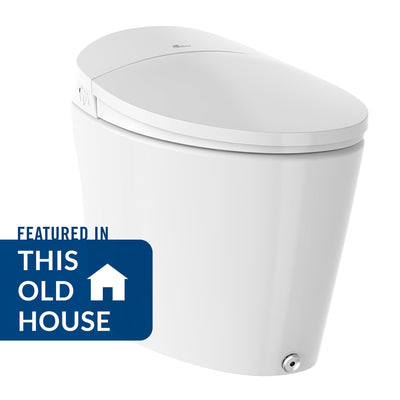
The water spray leaves you feeling cleaner and fresher than toilet paper, every time. Our bidet toilets and bidet seats use a patented vortex posterior wash to remove any waste in its path. The water then drips down into the bowl. Because the water is sprayed in a spiraling, rotating motion (like a vortex), nothing gets left behind on your skin. This wash is designed to clean the user after a “number 2” and targets that area specifically.
Our bidet toilet seats and attachments have self-cleaning nozzles that clean themselves after every use. This innovative feature protects your nozzle from bacterial buildup. It's also important to know how to use a bidet.
Are Bidets More Sanitary Than Toilet Paper?
Bidets are generally considered to be more sanitary than TP for a few key reasons:
- A lighter touch: Bidet users don’t touch their rears (if at all) until after the waste is washed away, usually to lightly dry off. As a result, it’s very unlikely that you’ll ever contact fecal matter.
- Less contamination: If all bathroom users opt for the bidet, there’s a significantly lower chance of touching waste and spreading it to the toilet paper holder, sink, or doorknob. If someone in your home is hesitant to try the bidet, show them this.
Can Bidets Cause Infections?
When used incorrectly, bidets can potentially cause infections. This occurs when bidet nozzles aren’t cleaned regularly, which can cause bacteria like E. coli to come into contact with the skin. In rare cases, this may lead to urinary tract infections (UTI) in women or other infections in immunocompromised individuals.
You can reduce the risk of infection by:
- Regularly cleaning your bidet (here’s how)
- Using your bidet correctly
- Keeping water spray away from sensitive areas, open wounds, or cuts
Infections and related issues are very, very rare. Bidets are hygienic, safe, and enjoyable for all users, including women, despite some claims to the contrary.
Bidets are more sanitary and more eco-friendly than TP, and switching could save the average family of four $300 or more annually! Try the toilet paper calculator to see your savings!
Experience a Superior Clean with Bio Bidet by Bemis
There are only a few things that can improve your bathroom hygiene – a bidet is one of them. Compare all our models or take the bidet quiz to find your perfect match.
You can always count on our customer support team to confirm compatibility and answer your questions!