



The Best Bidet Setup for Surgery Recovery | Bio Bidet
Install it before the surgery.
Shoulder, hip, back, abdominal procedures: how a bidet removes the motions your surgeon might have just restricted.

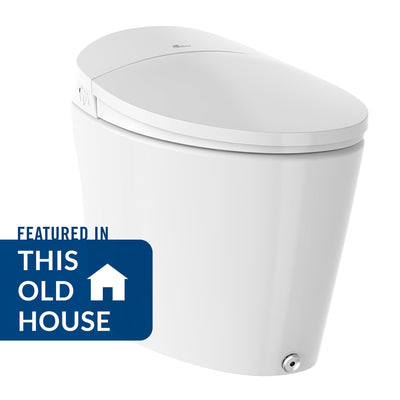
After surgery that limits reaching, bending, or twisting, a bidet with a remote control and warm-air dryer helps remove some of the hardest bathroom motions. Shoulder patients avoid the reach, hip and spine patients avoid the twist, and everyone keeps their independence. The key move: install it before the procedure.
Upper body: shoulder, arm, hand
Shoulder surgery recovery often comes with strict precautions, which is one way of saying the motion of reaching back to wipe is off the table. If the surgery is on your dominant arm, learning to wipe with the other hand while in pain is nobody's idea of rehab. A bidet with a remote replaces all of that reaching with one button pressed by whichever hand is available.
Lower body: hip, knee, foot
Hip replacement patients may leave the hospital with bending and twisting precautions, and knee, ankle, and foot procedures can make even standing up a project. A bidet eases the twist-and-reach motion, and features like a slow-close seat and a night light quietly earn their keep during medicated 3 a.m. bathroom trips.
Spine, abdominal, and everything core
Back surgery and abdominal procedures, including C-sections, may share precautions around bending or twisting your torso. Wiping is a torso twist you perform multiple times a day without thinking about it, until suddenly you cannot. Warm water, a gentle adjustable stream, and a hands-free dryer take that motion off your recovery to-do list completely.
The recovery setup that works
Install before the procedure, not after, and spend a few days learning the controls while everything still moves. Save a gentle-pressure preset. Mount the remote where the recovering side does not have to reach for it. And check fit first at the Compatibility Guide. One important note: every surgery and every recovery is different, so follow your surgeon's and care team's guidance on bathroom activity, and ask them what is right for your situation.
A one-button wash and hands-free dry is less pain, more gain. Water Does It Better®, especially when reaching is not an option.
Questions people ask
How far in advance of surgery should I install a bidet?
As early as you can. Installing a week or more ahead gives you time to learn the controls and save your preferred settings while you still have full mobility, so recovery-you only has to press a button.
Which features matter most after surgery?
A remote control and a warm-air dryer, in that order. The remote removes reaching; the dryer removes wiping. Warm water, auto open and close lid, and adjustable gentle pressure round out the recovery kit.
Is a non-electric bidet enough for surgery recovery?
It cleans well, but recovery is where electric earns its keep: the remote and dryer do the reaching and wiping for you, which is often helpful to avoid.
Will my surgeon approve?
Ask them directly. Surgeons and occupational therapists routinely discuss bathroom strategies before procedures that limit reach or bending, and your care team's guidance always comes first.
Build your recovery toolkit.
Compare remote-controlled seats with warm water, gentle pressure settings, and hands-free drying.
Shop our Savings Event →